

Welcome to the Community Peacemaking Practice Framework
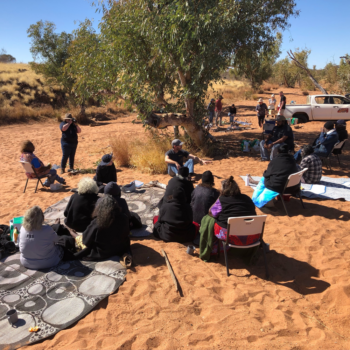
The Community Peacemaking Practice Framework (or “the Framework”) provides a clear standard for understanding what safe, credible and place-based peacemaking practice requires.
Each section of the Framework sets out a core foundation that should be considered before peacemaking practice is established, strengthened or expanded. These foundations include culture, values, leadership, decision-making, rules, roles, relationships, practitioner readiness, coordination and approved authority.
The Framework is intended to support careful understanding, informed discussion and responsible decision-making. It helps communities, organisations and agencies recognise the conditions, responsibilities and safeguards that should be considered before any local peacemaking pathway is developed.
Where examples of practice are included, they are offered to support learning and reflection. They are not intended to prescribe a single model, provide a step-by-step implementation process, or replace the need for proper training, guidance and approval. Each place must determine what is appropriate, culturally grounded, accountable and sustainable within its own context.
The Framework does not authorise any person, organisation or agency to deliver peacemaking practice, claim endorsement, represent themselves as approved practitioners, or use the Framework as evidence of formal approval by Peacemaking Australia.
Communities, organisations and agencies seeking to design, implement or strengthen peacemaking practice should engage Peacemaking Australia for training, practitioner development, approval pathways, implementation guidance, quality assurance and ongoing support.
Language and Cultural Respect
Peacemaking Australia acknowledges the Traditional Owners and Custodians of the lands, waters, and places across the continent and islands now called Australia. We pay respect to Elders past and present, and acknowledge the continuing authority, knowledge, and cultural responsibilities of First Nations peoples.
Across this website, we may use terms such as First Nations, Aboriginal and Torres Strait Islander, Indigenous, community, Country, place, Elders, and cultural authority. We recognise that these terms are not always interchangeable and that preferred language may differ between peoples, communities, regions, and jurisdictions.
Wherever possible, we seek to use language that is respectful, accurate, and grounded in the authority of the people, place, or community being referenced. When working with specific communities, Nations, or language groups, we seek guidance from those with cultural authority about the language, protocols, and ways of speaking that are appropriate to that place.
Some content on this website may refer to historical records, reports, policies, practices, or views that reflect the language and attitudes of their time. This material may include terms, descriptions, or perspectives that are now considered inappropriate, inaccurate, or offensive. Where such material is included, it is done to support learning, truth-telling, reflection, and a clearer understanding of the systems and practices that continue to shape peacemaking work today.
If you believe any information on this website is culturally insensitive, inappropriate, inaccurate, or requires correction, we welcome you contacting us so the matter can be reviewed with care and respect.
Deceased Persons
Aboriginal and Torres Strait Islander peoples are advised that this website may contain the names, images, voices, stories, or references to people who have passed away.
We acknowledge that for some families, communities, and cultural groups, hearing the voices, seeing images, or reading the names and stories of deceased persons may cause distress or offence. We encourage visitors to exercise care when accessing material on this website and to follow any cultural protocols that apply to them, their family, community, or place.